Species Diversity
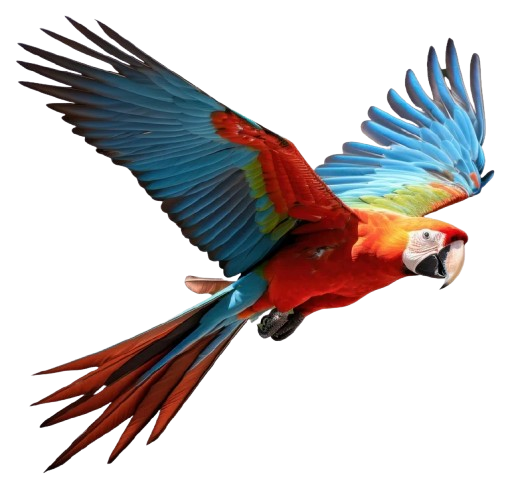
Over 370 parrot species worldwide. From tiny pygmy parrots to magnificent macaws, parrots exhibit incredible diversity in size, color, and behavior across their range.
Parrots are vibrant, intelligent birds that play a crucial role in tropical and subtropical ecosystems. Around the world, parrot species face habitat loss, trapping for the pet trade, and other threats. This site shares what you can learn, do, and support to help parrots thrive.
Take Action — Help Parrots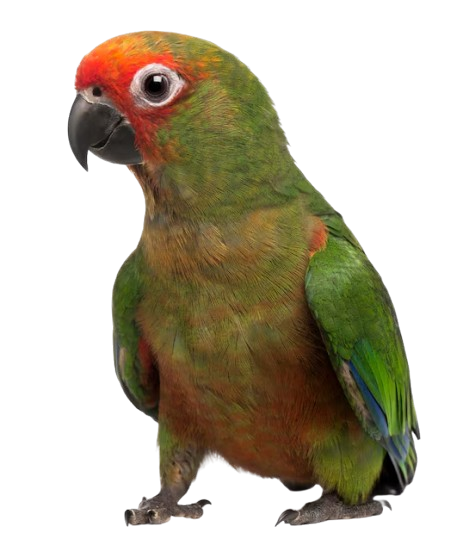
Over 370 parrot species worldwide. From tiny pygmy parrots to magnificent macaws, parrots exhibit incredible diversity in size, color, and behavior across their range.
Forests, savannas and islands across all continents except Antarctica. Parrots inhabit tropical and subtropical regions, serving as vital seed dispersers and ecosystem engineers.
Habitat loss, illegal trade, invasive species. Nearly one-third of all parrot species are threatened with extinction, making conservation action urgent and necessary.
The Echo Parakeet of Mauritius was once the world's rarest parrot, with only 12 individuals remaining in 1990. Through intensive conservation efforts including habitat restoration, supplementary feeding, and nest protection, the population has rebounded to over 750 birds. This remarkable recovery demonstrates that with dedicated effort and community support, we can bring species back from the brink of extinction.
Learn more about conservation efforts →African Grey Parrots have the cognitive abilities of a 5-year-old child. They can understand concepts like "same" and "different," count up to six, and use tools. The famous parrot Alex could identify 50 different objects and understand zero as a concept.
Parrots don't just mimic—they communicate with intent. Research shows they name their chicks and use distinct calls for different flock members. Some species even have regional "dialects" that vary between populations.
As seed dispersers, parrots are essential to tropical forest regeneration. A single macaw can disperse over 300 seeds daily, helping forests recover and maintaining biodiversity across vast landscapes.
Parrots see ultraviolet light invisible to humans. Their brilliant plumage that looks vibrant to us appears even more spectacular in UV, helping them choose healthy mates and identify ripe fruits.
Through dedicated conservation work and community partnerships, we're making measurable progress in protecting parrots worldwide.
Critical habitat secured through land purchases and conservation easements
Conservation initiatives across 18 countries on 4 continents
Birds recovered from illegal trade and rehabilitated for release
Local organizations and indigenous groups working together
Parrots are more than beautiful birds—they're indicators of ecosystem health and biodiversity. When parrot populations decline, it signals broader environmental problems affecting countless other species, including humans.
As frugivores and seed dispersers, parrots maintain forest structure and composition. They create nesting cavities used by dozens of other species. Their presence supports eco-tourism that provides sustainable income for local communities.
Protecting parrots means protecting entire ecosystems, securing clean water sources, maintaining carbon sinks that fight climate change, and preserving the cultural heritage of indigenous peoples who have lived alongside these birds for millennia.
Despite progress, parrot conservation faces significant challenges. Deforestation continues at alarming rates in key habitats. Climate change is shifting breeding seasons and food availability. Illegal wildlife trade remains a multi-billion dollar industry.
Many threatened species have small, fragmented populations vulnerable to disease and genetic bottlenecks. Local communities often lack resources to protect wildlife while meeting their own needs. Conservation requires long-term funding and political will that can be difficult to maintain.
Success requires coordinated international effort, scientific research, policy changes, and grassroots action. Every contribution—whether financial support, volunteer time, or spreading awareness—makes a real difference in this critical work.
Effective conservation requires rigorous scientific research. Our team works with leading ornithologists, ecologists, and geneticists to understand parrot populations and design evidence-based interventions.
We use cutting-edge technologies including GPS tracking, automated audio recorders, and drone surveys to monitor parrot populations. This data helps us understand movement patterns, breeding success, and habitat use, allowing us to identify and protect the most critical areas.
Genetic analysis reveals population structure, inbreeding risks, and evolutionary relationships between species. This information guides breeding programs and helps us maintain genetic diversity essential for long-term survival of endangered populations.
Understanding diseases affecting wild and captive parrots—including Psittacine Beak and Feather Disease and avian malaria—is crucial for preventing outbreaks that could devastate small populations. Our veterinary team develops protocols for disease screening and treatment.
We engage local communities and citizen scientists in data collection, creating a global network of observers. This approach not only provides valuable information but also builds local capacity and investment in conservation outcomes.
Our research is published in peer-reviewed journals and shared freely with conservation partners worldwide. We believe that open science accelerates progress and that collaboration, not competition, will save species from extinction.